Answer first
Review repeat-order colour against a version-controlled approved reference, under documented viewing conditions, and record an accept, conditional accept, hold, or escalation decision before retail release. Do not treat a colour name, catalogue image, or prior shipment alone as proof of an identical result; define the comparison points, evidence, and permitted variation in the reorder brief and approved sample record. [1] [2]
1. Set a repeat-order colour baseline before the quote is released
A jewelry colour consistency reorder review starts with a baseline that a buyer and supplier can identify later. For each SKU and colourway, designate the approved physical sample where practical, give it a version ID and approval date, and link it to the exact product description, component list, finish description, and approved imagery. A retained reference is evidence for comparison, not a promise that every naturally variable or visually reflective element will appear identical.
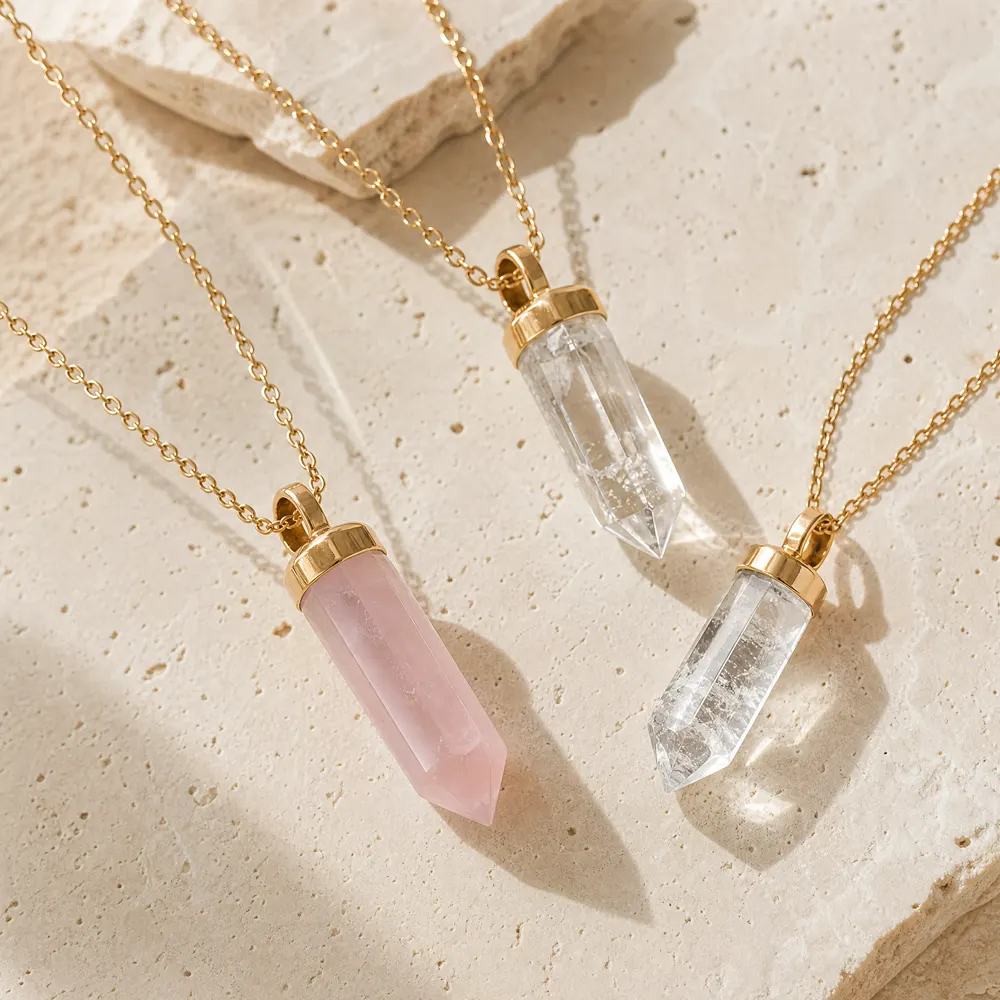
Separate the colour-bearing elements in the brief. For example, identify the focal stone or crystal, secondary beads, plated or coated metal tone, enamel or resin, thread or cord, and any backing or packaging colour that affects presentation. State which component is critical to the retail colour story and which variation is evaluated only for obvious mismatch. This prevents one broad colour label from hiding several independent review points.
Buyer checklist
- Assign a unique SKU, colourway name, and reference version to the reorder.
- Record the approved sample date, approver, and storage location or image archive location.
- List every visible colour-bearing component separately.
- Mark the retail-critical component and any non-critical supporting components.
- Keep a dated record of the approved product-page image and colour name.
2. Define a repeatable comparison setup
Agree the visual comparison setup before reviewing a production sample: the light environment description, background, viewing distance, orientation, sample cleanliness, and whether the item is viewed loose, on a display card, or in its intended packaging. The aim is repeatability, not a claim that one viewing setup represents every store, device, or consumer environment.
Use the same sample hierarchy each time. The approved physical sample normally takes priority for a visual decision; controlled photographs and a written component specification support it. Marketplace images, uncalibrated screens, and memory of a prior delivery should not override the agreed reference. If an instrument-based method or numeric tolerance is proposed, define the device, method, measurement locations, sample count, and decision owner in writing rather than assuming a universal jewelry tolerance.
Buyer checklist
- Document the comparison light and background in the review form.
- Compare like-for-like orientation, such as pendant face to pendant face.
- Inspect more than one unit when the reorder includes multiple units or lots.
- Note whether packaging, display backing, or adjacent components change the perceived colour.
- Identify the reference hierarchy when physical sample, images, and wording disagree.
3. Compare the right evidence, not just a colour name
Use a layered review that links what the buyer sees to the record that controls the decision. This makes a later discussion about a reorder specific: the team can identify whether the issue is a material component, finish, assembly mix, photography, or a product-data mismatch.
Keep comparative photos as supporting evidence. Capture the approved reference and candidate item together, label the date and setup, and avoid edits that alter the item’s apparent colour. The record should also identify whether the candidate is a pre-production sample, production pull, receiving sample, or consumer-return evidence.
| Evidence layer | What the buyer compares | What the record should control |
|---|---|---|
| Approved physical reference | Overall hue, lightness, component pairing, and visible mismatch | Reference ID, approval date, SKU/colourway, and condition |
| Written specification | Colour name, component description, finish wording, and priority points | Revision number and the source of each description |
| Candidate units | Variation within the review set and against the reference | Sample count, lot or shipment identifier if available, and observation notes |
| Controlled comparison images | Relative appearance and presentation consistency | Capture date, setup, file version, and no-edit/edited status |
| Retail product data | Whether consumer-facing colour language still matches the approved basis | Listing version, market/language owner, and release status |
Buyer checklist
- Photograph reference and candidate together when images are used as evidence.
- Label every comparison file with SKU, colourway, date, and sample status.
- Keep the comparison record linked to the correct product-data version.
- Do not use a colour label alone as the acceptance criterion.
4. Turn observations into a documented release decision
Pre-agree what each decision means. An accept decision can confirm that the reviewed evidence meets the approved brief. A conditional accept can identify a bounded, documented variation and the exact product-data or allocation action required. A hold means the team needs further evidence before release. An escalation should identify the owner, question, and deadline for the next review; it should not be a vague request to make the colour “better.”
Write observations in comparative language: identify the component, compare it to the reference, state where it appears, and describe the commercial consequence. For example, record that a candidate’s focal element appears visibly different from the approved reference under the documented setup, then decide whether it can remain under the same SKU/colourway, needs a revised description or imagery review, or must wait for further agreed action. Final disposition remains subject to the written agreement, applicable requirements, documentation, and approved sample.
Buyer checklist
- Use one of four statuses: accept, conditional accept, hold, or escalate.
- Name the specific component and comparison reference in every observation.
- Assign a decision owner and date.
- Record any retail-listing, imagery, allocation, or receiving action arising from the decision.
- Archive the decision with the reorder and evidence files.
5. Keep colour language and treatment information defensible
Do not infer material identity, geographic origin, or treatment status from a colour match or a colour name. Where a product description, tag, retailer listing, or consumer communication makes such a claim, request the applicable supporting documentation and have the wording reviewed for the destination market. For U.S. marketing, the FTC Jewelry Guides say it is unfair or deceptive to misrepresent a material aspect of an industry product, including colour or treatment, and indicate that qualifications or disclosures should be clear and prominent. See [16 CFR Part 23, § 23.1](https://www.ecfr.gov/current/title-16/chapter-I/subchapter-B/part-23).
For coloured gemstones, CIBJO’s [Coloured Stone Blue Book](https://cibjo.org/wp-content/uploads/2023/01/22-12-22-Official-Gemstone-Book.pdf) provides nomenclature and treatment-disclosure guidance, including trade codes for use on commercial documents and jewellery tags. It is a useful reference for evidence questions, not a substitute for destination-market legal review. If the component or its disclosed treatment changes between reorders, treat that as a product-information review point, not merely a visual variation.
Buyer checklist
- Check that the approved colour name does not imply an unsupported material, origin, or treatment claim.
- Ask for written confirmation and applicable documentation when a component or disclosed treatment is said to change.
- Review labels, tags, listings, and images together before release.
- Escalate destination-market claim questions to qualified legal or compliance review.
6. Link receiving records to supplier follow-up
At receipt, preserve enough evidence to distinguish a reorder-wide issue from a localized variation. Retain the purchase-order reference, SKU and colourway, delivery or lot identifiers where available, date received, quantity inspected, sample-selection method, comparison photos, and decision record. Keep the approved reference separate and protected so it remains usable for later comparisons.
When a discrepancy is found, send a concise evidence pack rather than an unstructured complaint. Include the candidate status, exact visible component, reference version, comparison conditions, photographs, quantities or sample count reviewed, and the action requested. Avoid attributing a cause until it is supported by records. This helps the parties discuss corrective action, product-data changes, or a further approved-sample review without making unsupported assumptions.
Buyer checklist
- Log receipt date, PO reference, SKU, colourway, and quantity inspected.
- Record lot or shipment identifiers if they are available in the transaction documents.
- Store original comparison images and notes with the decision record.
- State the requested next step and required evidence in supplier follow-up.
- Keep consumer-return or store feedback separate from unverified root-cause conclusions.
7. Buyer checklist before approving a colour-consistent reorder
Use this final gate before authorizing retail release or communicating a result to the supplier. It is designed to make a repeat-order decision traceable while leaving commercial, technical, and production details to the written quotation, applicable requirements, documentation, and approved sample.
A completed checklist does not replace inspection plans, contract terms, or market-specific compliance review. It creates a practical handoff between buying, quality, product-data, and receiving teams.
Buyer checklist
- The approved reference has a version ID, date, and named approver.
- The SKU, colourway, and colour-bearing components are clearly identified.
- The review conditions and sample status are recorded.
- Reference and candidate evidence are linked in one file set.
- The comparison covers the focal element, supporting elements, finish, and presentation effects relevant to the SKU.
- Any component, colour-name, material, or treatment-information change has been flagged for documentation review.
- The outcome is recorded as accept, conditional accept, hold, or escalate.
- Required product-data, imagery, receiving, or allocation actions have owners.
- The decision is archived with the reorder record and approved sample reference.
Frequently asked questions
Can a buyer require every reorder to look identical to the approved sample?+
A buyer can set a documented acceptance process and define critical comparison points, but should not assume that a colour name or earlier shipment proves automatic identity. Use an approved reference, specified review conditions, and an explicit disposition for the candidate units; any product-specific commitment belongs in the written agreement and approved sample.
What is the best reference for a jewelry reorder colour review?+
Use a version-controlled approved physical sample where practical, supported by its dated written specification and controlled images. Identify which source takes priority if the records conflict, and retain the reference in a condition suitable for later comparison.
Are photographs enough to approve repeat-order colour?+
Photographs are useful supporting evidence but should not be the only control. They can be affected by capture, editing, display, and surrounding presentation. Compare a candidate against the approved physical reference under documented conditions when possible, then retain the images as part of the evidence pack.
What should the buyer do if the candidate differs from the approved reference?+
Record the component, reference version, viewing setup, images, sample count, and proposed business impact. Place the candidate in the agreed accept, conditional-accept, hold, or escalation path, then request only the evidence or action needed for the next decision. Do not assume the cause, treatment status, or supplier remedy without supporting documentation and written agreement.
Conclusion
Colour consistency across reorders is managed through evidence and decision discipline, not through broad promises of sameness. A retained approved reference, stable comparison setup, version-controlled product data, and a clear accept-or-hold record give overseas buying teams a practical basis for repeat-order review while preserving the need for approved samples, documentation, and destination-market review.
Product category references
Explore relevant GemMira formats.
Next step
Move from general guidance to your specific brief.
For a GemMira wholesale, private-label, or custom inquiry, share the product category, market, material direction, and any available reference images. Commercial terms, final specifications, and sample options are confirmed in a quotation and approved pre-production sample. Email your requirements to info@gemmira.com.
Start an inquiry with this guide →Email info@gemmira.com