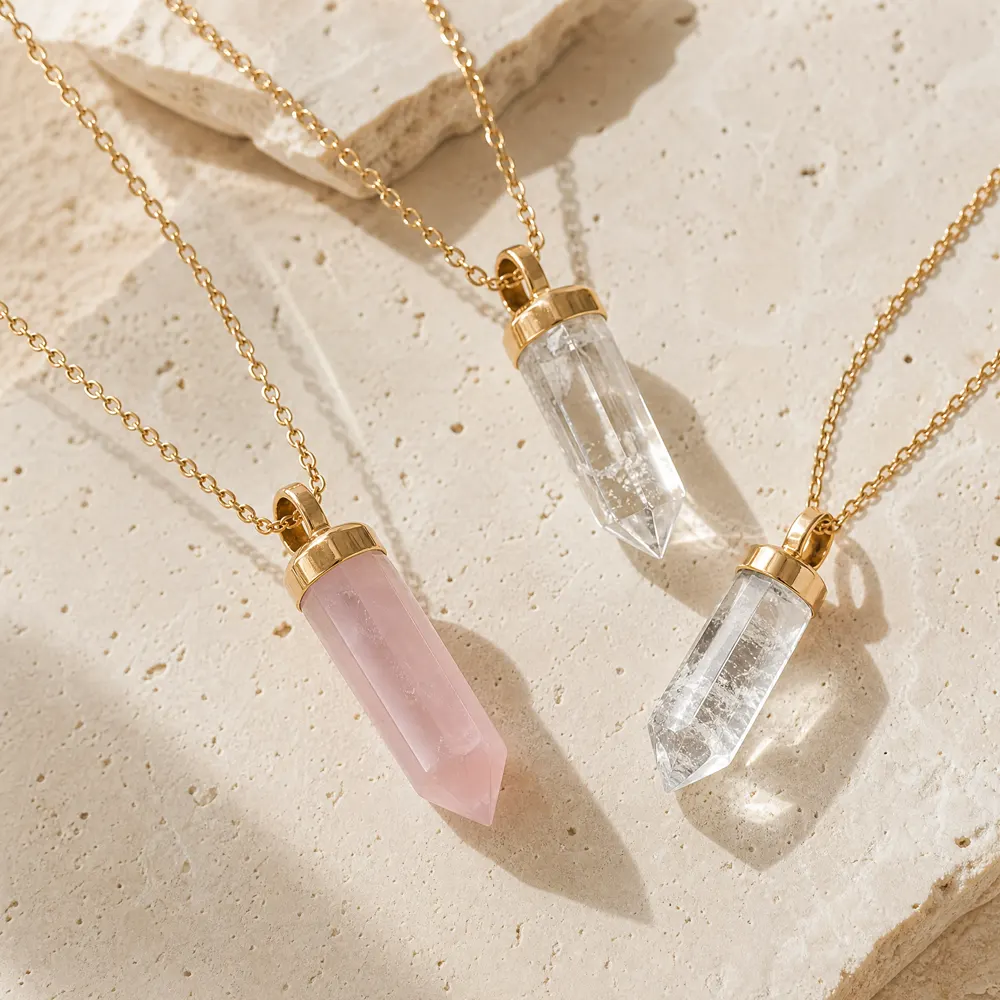
Answer first
A jewelry reorder review meeting should end with a documented decision for each SKU: reorder now, reorder with changes, hold for evidence, reduce quantity, or discontinue. Review current and committed stock, sales and returns, margin assumptions, quality issues, SKU and batch identity, approved specifications, market requirements, and the exact commercial terms still requiring written quotation. A previous order is not automatic approval for the next one. [1] [2]
1. Set the meeting decision and evidence pack
Begin with a SKU-level decision, not a general view of collection popularity. Circulate a pack for every proposed reorder showing SKU, variant, previous order reference, current and committed stock, sales period, returns, open issues, and proposed action.
Use a fixed review date and data cut-off. Separate confirmed facts from estimates; if the inventory count, demand period, or cost basis is incomplete, record the gap rather than filling it with an assumption.
| Decision | Minimum evidence | Status |
|---|---|---|
| Demand | Sales, returns, stock, commitments, forecast | Reorder, reduce, or hold |
| Product | Specification, sample, change log | Repeat or revise |
| Compliance | Market requirements and records | Clear or evidence required |
| Commercial | Current written quotation | Release or defer |
Buyer checklist
- Name the meeting owner and decision-makers.
- List each SKU, variant, selling unit, and internal identifier.
- Attach the approved specification, sample reference, artwork, and product-information version.
- Show the date range and source system for sales, stock, returns, and forecasts.
- Mark figures as confirmed, estimated, or awaiting confirmation.
- Record the decision deadline and purchase-order authority.
2. Review demand, stock, and assortment performance
Review sales by SKU and variant, distinguishing full-price sales, promotions, transfers, cancellations, and returns. A high unit count can conceal a one-off promotion; a low count can reflect constrained availability.
Use the buyer’s consistent planning method with on-hand stock, stock on order, reservations, expected demand, review period, and any documented safety-stock policy. Record the assumptions behind the proposed quantity.
| Signal | Possible meaning | Question |
|---|---|---|
| Fast sales with low availability | Demand may be understated | Were customers unable to buy? |
| High returns | Product, fit, description, or expectation issue | Are returns concentrated? |
| Slow sales with strong margin | Working-capital or assortment issue | Should quantity or channel change? |
| Sales only during discounting | Price-sensitive demand | Is the forecast promotional? |
Buyer checklist
- Reconcile system or physical stock with open orders and reserved inventory.
- Separate sell-through by SKU, colour, size, material description, and channel where relevant.
- Review return rate and coded return reasons.
- Identify stock-outs, delayed listings, damage, and unavailable variants.
- Check promotions, seasons, holidays, and store openings.
- Write the proposed quantity and supporting evidence.
3. Check quality, complaints, and corrective actions
Review receiving inspection results, customer complaints, repairs, replacements, and corrective-action commitments. Group issues by defect type and SKU so repeated failures are not hidden by a good overall acceptance rate.
Treat a change to a component, finish, stone description, dimension, packaging, artwork, or instruction as a controlled change. GemMira commercial and technical details are subject to written quotation, applicable requirements, documentation, and an approved sample.
| Issue | Treatment | Record |
|---|---|---|
| No material issue | Proceed to commercial review | Reference approved sample |
| Evidence incomplete | Hold or make conditional | Record release gate |
| Repeated or safety-relevant issue | Do not automatically reorder | Document investigation |
| Buyer requests change | Create new revision | Approve revised sample |
Buyer checklist
- Summarize defects by severity, frequency, SKU, and batch.
- Close or carry forward corrective actions with owner and due date.
- Compare inspected items with the approved sample and specification.
- Identify proposed substitutions.
- Define reorder acceptance criteria and inspection evidence.
- Require written approval for every change.
4. Confirm SKU identity, batch records, and product information
Match the internal SKU to product name, variant, dimensions, selling unit, packaging version, barcode or other identifier, and approved image or sample. GS1 notes that identifiers can connect product data with inventory movement, replenishment, supply-chain visibility, and recall management.
Retain the link between purchase order, shipment, inspection, complaints, and any batch or lot reference. Do not assume a prior identifier, image, or material statement remains correct after a change.
Buyer checklist
- Match each reorder line to the approved SKU and variant.
- Confirm unit of sale, pack configuration, identifier, and label version.
- Record batch or lot data when available and define receipt capture.
- Check descriptions, dimensions, weight information, care text, warnings, and languages.
- Archive superseded artwork and specifications.
- Agree how discrepancies will be reported and quarantined.
5. Review market requirements before release
Confirm destination markets, seller or importer role, product-safety rules, warnings, language needs, and expected documentation. The EU General Product Safety Regulation addresses product identification, safety information, technical documentation, and economic-operator responsibilities.
The CPSC states that manufacturers and importers must certify applicable regulated general-use products and that an importer issues the General Certificate of Conformity for an overseas-manufactured product when required. Verify applicability to the exact item and order.
| Route | Question | Do not assume |
|---|---|---|
| European Union | Are identification, warnings, records, and operator details current? | A prior document covers a changed item |
| United States | Does a specific rule require testing or certification? | Every jewelry item has the same requirement |
| Middle East | What local language, labeling, customs, and product rules apply? | Requirements are identical across countries |
| Multi-market | Which artwork and documents fit each destination? | One label set fits every market |
Buyer checklist
- List destination countries and legal roles.
- Confirm identification, responsible-party, warning, and language requirements.
- Check relevant material, chemical, child-use, or other rules.
- Map each document to an owner, version, and approval date.
- Confirm whether prior evidence covers the unchanged product and market.
- Escalate uncertainty to qualified compliance advice.
6. Separate commercial approval from product approval
Review the current written quotation, currency, payment terms, delivery basis, taxes or duties, packaging assumptions, and landed-cost conditions. GemMira’s MOQ, pricing, lead time, capacity, certifications, testing, material origin, treatment status, stock, logistics, delivery, warranty, packaging capability, and customer outcomes are not stated here; obtain required details through written quotation, applicable requirements, documentation, and an approved sample.
A verbal statement is not a substitute for an approved purchase order, specification annex, or required evidence.
Buyer checklist
- Compare the current quotation with the previous order only as a reference.
- Confirm currency, payment, delivery basis, taxes, duties, and landed-cost assumptions.
- Mark commercial fields confirmed or subject to written quotation.
- Ensure the purchase order references correct SKU, revision, quantity, and sample.
- Assign owners and due dates for missing evidence.
- Do not release until approval gates are satisfied.
7. Close with a documented reorder decision
End with one status per SKU: release as approved, release with documented change, hold pending evidence, reduce or defer quantity, or discontinue. Record the rationale, next action, owner, and evidence required.
Save the decision log with demand, quality, product-information, compliance, quotation, and purchase-order records so regional teams use the same version.
Buyer checklist
- Assign one status to every SKU or variant.
- Write the reason in measurable or document-based terms.
- Name the next-action owner and due date.
- List conditions required before release.
- Record approved quantity and planning assumptions.
- Schedule the next review cadence.
Frequently asked questions
How often should a jewelry reorder review meeting be held?+
Use the cadence matching sales volatility, seasonality, cash constraints, and replenishment cycle. Fast-moving or promotion-sensitive ranges may need shorter intervals. Use consistent data definitions and statuses each time.
Should a repeat jewelry order use the same specifications as the previous order?+
Only if the buyer confirms that specification, sample, components, finish, dimensions, packaging, product information, and market requirements remain unchanged. Record and approve every substitution or revision before release.
What should buyers do when sales data and physical stock do not agree?+
Pause the quantity decision and reconcile receiving records, purchase orders, transfers, reservations, returns, damage, counting errors, and SKU mapping. If unresolved, mark the reorder conditional and document the uncertainty.
Can a prior test report or certificate automatically cover a jewelry reorder?+
No. Confirm that it applies to the exact product, revision, market, legal role, and current requirements. Changes in material description, component, finish, supplier, label, or intended use can affect the evidence needed.
Conclusion
A jewelry reorder review is a controlled decision point, not a routine repetition of the last purchase. Connect demand evidence with SKU identity, quality history, product records, market requirements, and current written commercial terms. Release only lines with a clear owner, approved revision, documented quantity, and completed evidence gates; keep unknown GemMira details subject to written quotation, applicable requirements, documentation, and approved sample.
Product category references
Explore relevant GemMira formats.
Next step
Move from general guidance to your specific brief.
For a GemMira wholesale, private-label, or custom inquiry, share the product category, market, material direction, and any available reference images. Commercial terms, final specifications, and sample options are confirmed in a quotation and approved pre-production sample. Email your requirements to info@gemmira.com.
Start an inquiry with this guide →Email info@gemmira.com