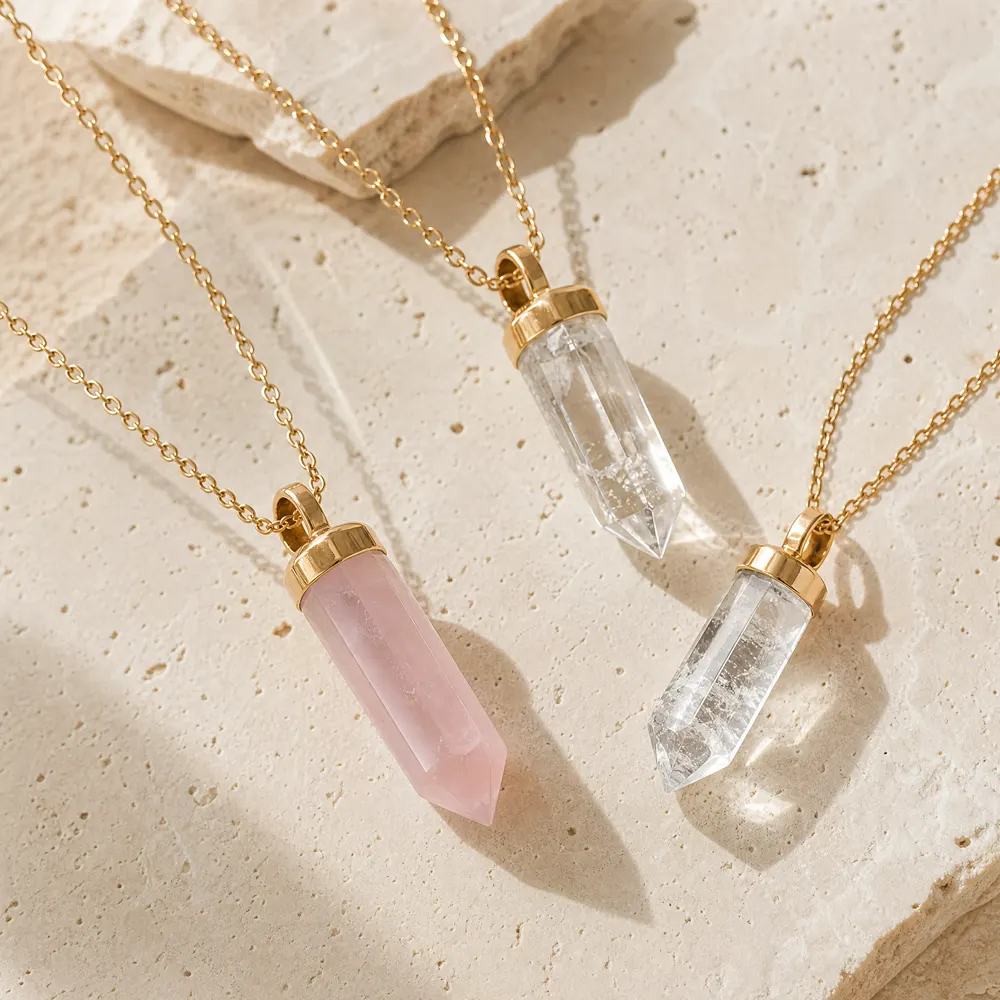
Answer first
Start with an item-level request, not a generic request for “the same crystal.” State the SKU or internal style reference, the affected component and position, the requested outcome, and the evidence available. Attach clear images, dimensions, a marked-up component map, and the original approved specification where available. Then ask whether the component can be identified from the documentation; whether a compatible replacement, a repair, or a new approved sample should be evaluated; and what differences in appearance, construction, care information or product description must be documented. Treat material identity, fit, finish and commercial terms as unconfirmed until addressed in written quotation, applicable requirements, documentation and an approved sample. For B2B teams, the goal is controlled consistency across customer-service, buying, quality and product-data records. A concise, repeatable brief reduces the risk of approving a visually similar but mechanically unsuitable part. It also gives retailers a clearer basis for updating service notes and customer-facing information where a repaired or substituted component changes the product’s relevant description or care instructions. [1] [2]
H2: What should the first repair-request question establish?
Open by establishing the decision that the recipient is being asked to make. A useful first sentence is: “Please assess whether component C-03 on style [reference] can be repaired, replaced with an identified compatible component, or requires an approved sample before any action.” This avoids a vague request for a replacement and makes clear that interchangeability has not been assumed. Name the affected unit count, the component’s location, and whether the issue is loss, breakage, looseness, discoloration, surface damage, fit or an unknown condition.
Separate observed facts from requests. For example, “one clear faceted element is absent from the left earring near the clasp” is an observation; “please match color and plating” is a requested outcome. State whether the buyer needs a technical assessment, a replacement-component proposal, a repair method proposal, revised product information, or a combination. Do not label a material as crystal, glass, natural gemstone, coated element or a branded component unless the existing specification or other documentation supports that description. Where facts are uncertain, say so explicitly and ask what evidence is required to identify them.
Buyer checklist
- Record the internal style, SKU, revision and purchase-order references if available.
- Give the component a unique position label on a marked image or diagram.
- Describe the observed issue without diagnosing its cause.
- State the requested decision and who has approval authority.
- Flag all unknown material, dimensions and finish details as unconfirmed.
H2: Which product-component identification questions prevent a wrong match?
Build the request around the component, not only the finished jewelry piece. Ask: “Which part number, drawing reference or approved-sample reference identifies this element?”; “Is the affected crystal held by prongs, adhesive, a bezel, a cup, a channel, a link or another construction?”; and “Which mating dimensions control fit?” A photograph helps orientation, but it does not establish scale, hole direction, setting geometry, thread, jump-ring gauge or attachment method. Request the measurement method and tolerance convention when these are relevant to fit.
For visually sensitive components, distinguish a documented specification from a colour impression. Ask for the recorded color name or code, effect/coating description if documented, cut or shape, dimensions, faceting, orientation and any back treatment or foil that is documented. Also ask whether the surrounding metal appearance is a separate issue from the crystal. This division helps the reviewer determine whether the part, the setting, the finish, or the assembly is the subject of the request. If no reference exists, ask whether identification from photos is only provisional and whether an approved sample is needed.
| Evidence available | Buyer question | Decision use |
|---|---|---|
| Approved sample or controlled drawing | Which component reference and revision applies to this position? | Anchors the request to the controlled design. |
| Macro photo plus ruler | What visible features and measured dimensions can be confirmed, and what remains unconfirmed? | Supports preliminary triage, not automatic equivalence. |
| Loose damaged part | Can the part be examined against the documented specification without altering it? | May support identification and construction review. |
| No physical part and no specification | What further documentation or approved sample is required before proposing a substitute? | Triggers a hold or sample-first path. |
Buyer checklist
- Ask for the product revision or approved drawing that governed the item.
- Request component position, shape, nominal dimensions and orientation.
- Identify the retention method and any mating part that controls fit.
- Ask whether color, effect, backing and metal finish are separately specified.
- Request a written distinction between confirmed ID and photo-based inference.
H2: What should be in the component replacement documentation pack?
Use one version-controlled evidence pack per request. Its purpose is to let different teams read the same condition, product identity and requested outcome without relying on memory or informal chat. Include the original product reference where available, a short chronology, and high-resolution images of the complete item and the affected area. Take views that show scale, front and back, attachment point, surrounding components and any markings. Preserve the original file names or assign a consistent case identifier so that images, correspondence and approvals can be connected later.
The pack should also state what is missing. If the buyer does not hold the approved sample, bill of materials, drawing, component code or prior service record, list that gap rather than filling it with a guess. Keep a simple change log: who supplied each file, when it was received, and whether it is an original record, a buyer measurement, or an interpretation. This supports a disciplined review and makes it easier for the retail team to know which information may be used in service communication and which is still awaiting confirmation.
Buyer checklist
- Case ID, style/SKU, revision and affected quantity.
- Full-item and close-up images with a scale reference and orientation labels.
- Marked-up image naming the affected component and attachment point.
- Original approved sample, drawing, bill of materials or product record, if held.
- Buyer measurements with units, method and whether they are nominal or observed.
- Condition description, date observed and handling history if known.
- A gap list showing which material, finish, construction or care facts remain unconfirmed.
- Version/date, document owner and approval status for every proposed change.
H2: How should buyers ask technical questions without making unsupported assumptions?
Frame technical questions so the responding party can confirm, qualify or decline each point. Ask whether the component is documented as a particular material and whether its stated characteristics are supported by available records. Ask whether its shape, size, bore or attachment interface, coating or effect, backing, setting method and adjacent finish can be matched under the governing documentation. Do not turn a visual guess into a specification by calling an element natural, treated, laboratory-created, branded, plated or otherwise unless that status appears in valid documentation. An alternative should be described as proposed until it has the required review and approval.
Ask separately about functional and appearance criteria. Functional questions include whether the part interfaces with a setting, clasp, link, adhesive area or moving joint, and whether another component must be inspected before a repair decision. Appearance questions include visible color, cut, orientation, surface condition and harmony with adjacent components. Request the proposed inspection or comparison method in writing, along with the conditions under which it is meaningful. If the answer depends on an approved sample or a physical examination, record that limitation instead of treating a photo review as conclusive.
Buyer checklist
- What is documented versus merely visible in the submitted evidence?
- Which dimensions and interfaces must match for the part to fit?
- What appearance attributes must be reviewed separately from mechanical fit?
- Is physical examination or an approved sample required to confirm the proposal?
- Which repair steps could affect adjacent components or the visible finish?
H2: When should a buyer choose repair, replacement, or a sample-first hold?
Choose the route based on evidence strength and risk, not merely on whether a part looks similar. A repair path may be considered when the component and construction are sufficiently documented and the issue can be addressed without changing the relevant product characteristics. A replacement path needs an identified component and a reasoned fit-and-appearance assessment. A sample-first hold is the disciplined option when the part identity, critical dimensions, visible effect, retention method or product-data consequence is not documented well enough to approve a change. The table below is a decision aid, not a technical determination.
Before choosing any route, ask what has to be inspected besides the obvious defect. A missing element could be linked to setting condition, adhesive area, attachment geometry or another issue that cannot be diagnosed remotely. Ask which approval point applies to the proposed action and whether a revised reference image, component record or product description needs review. Technical feasibility, scope of work, commercial terms and applicable requirements should all be addressed only through written quotation, applicable requirements, documentation and an approved sample.
| Route | Use when | Questions that must be answered first |
|---|---|---|
| Repair assessment | The affected construction and condition are sufficiently documented for evaluation. | What is the proposed method; what adjacent parts must be reviewed; what records support it? |
| Component replacement assessment | A replacement component can be identified or proposed against controlled requirements. | What confirms interface, dimensions, visible attributes and any product-information change? |
| Sample-first hold | Identity, fit, appearance or construction remains uncertain. | Which documents, physical evidence or approved sample are required before a proposal? |
| Product-record review | The action may affect retail description, care notes or component records. | What customer-facing and internal information requires review under applicable requirements? |
Buyer checklist
- Confirm whether the component identity is documented or inferred.
- Identify any fit, retention or adjacent-component risk.
- Check whether visual attributes are controlled by a reference or only by photos.
- Define the approval artifact needed before proceeding.
- Assign a hold when evidence cannot support a defensible route.
H2: What disclosure and approval questions matter for retail teams?
Repair handling can have a product-information dimension. The U.S. Federal Trade Commission’s Jewelry Guides apply at every level of the trade and address claims about jewelry products, including gemstones and their laboratory-created and imitation substitutes. The Guides also state that certain gemstone treatments should be disclosed when they are not permanent, create special-care requirements, or significantly affect value. For a U.S.-facing item, ask whether the records identify any relevant material description, treatment disclosure or care information that could be affected by the proposed action. This is operational guidance, not legal advice; check applicable requirements and qualified advisers for the markets involved.
Use controlled nomenclature where product records require it. CIBJO describes its Blue Books as definitive grading standards and nomenclature across diamonds, coloured gemstones, pearls, coral, precious metals and gemmological laboratories; their application is voluntary, and users should check the latest edition. A buyer does not need to recite a standard in every request, but should ask which terms are supported by the record and whether any revised wording needs internal review. Never promise that a substitute has the same material identity, performance or care profile without supporting documentation and approval.
Buyer checklist
- Which market-facing product descriptions are affected by the request?
- Do existing records contain relevant material, treatment or care information?
- Should terminology be checked against the buyer’s controlled product-data policy and applicable requirements?
- Who approves any revised product record, service note or customer-facing wording?
- Which claims must remain unmade because evidence is incomplete?
Frequently asked questions
Can a clear photo identify the correct crystal replacement part?+
A photo can support triage and orientation, but it may not establish dimensions, attachment interface, backing, coating, material identity or a compatible setting. Ask the reviewer to distinguish visible observations from documented specifications. Where those factors control fit or appearance, request the necessary record, physical examination or approved sample before approving a proposed replacement.
What is the most useful measurement to send with a repair request?+
There is no single universal measurement. Send the component’s relevant dimensions with units and method, plus the dimensions or construction features of the mating setting or attachment point. A ruler in an image is helpful context; it should not replace a recorded measurement or controlled drawing when fit is critical.
Should retail teams describe a proposed substitute as equivalent?+
Not before the relevant identity, fit, visible attributes and product-information implications have been documented and approved. Use neutral wording such as “proposed component” or “subject to assessment” until the required written quotation, applicable requirements, documentation and approved sample establish the approved path.
How should an importer handle a request when the original specification is unavailable?+
Open a sample-first hold rather than reconstructing a specification from memory. Provide all available item references, images, measurements and condition notes, list the documentation gaps, and ask which evidence is required to make a proposal. Route any change to the appropriate internal technical, product-data and compliance reviewers.
Conclusion
The strongest crystal jewelry replacement-part questions are evidence-led and decision-specific. Identify the product and component, document what is observed and what is unknown, ask for a written assessment of fit and appearance, and set an approval gate before any description or action is treated as final. This approach gives B2B buying, quality and retail teams a common record while leaving unverified technical and commercial details subject to written quotation, applicable requirements, documentation and an approved sample.
Product category references
Explore relevant GemMira formats.
Next step
Move from general guidance to your specific brief.
For a GemMira wholesale, private-label, or custom inquiry, share the product category, market, material direction, and any available reference images. Commercial terms, final specifications, and sample options are confirmed in a quotation and approved pre-production sample. Email your requirements to info@gemmira.com.
Start an inquiry with this guide →Email info@gemmira.com